Helpfull Tips, Recomendations, and More from the Habitat Heroes!
Austin Flooring Insights
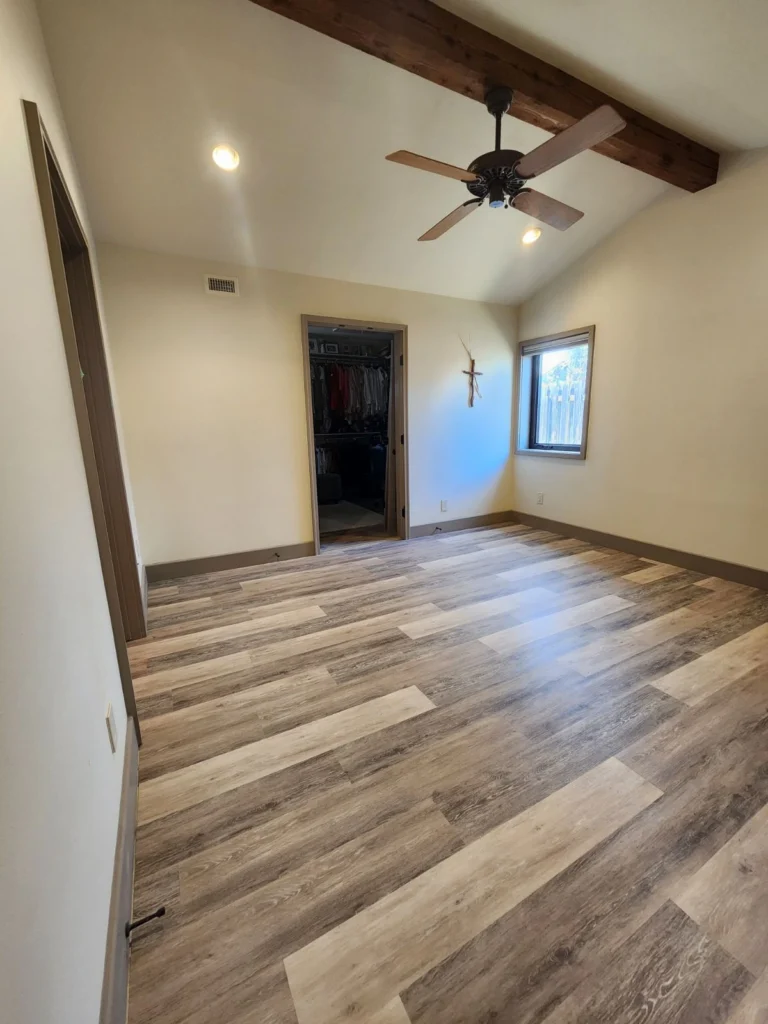
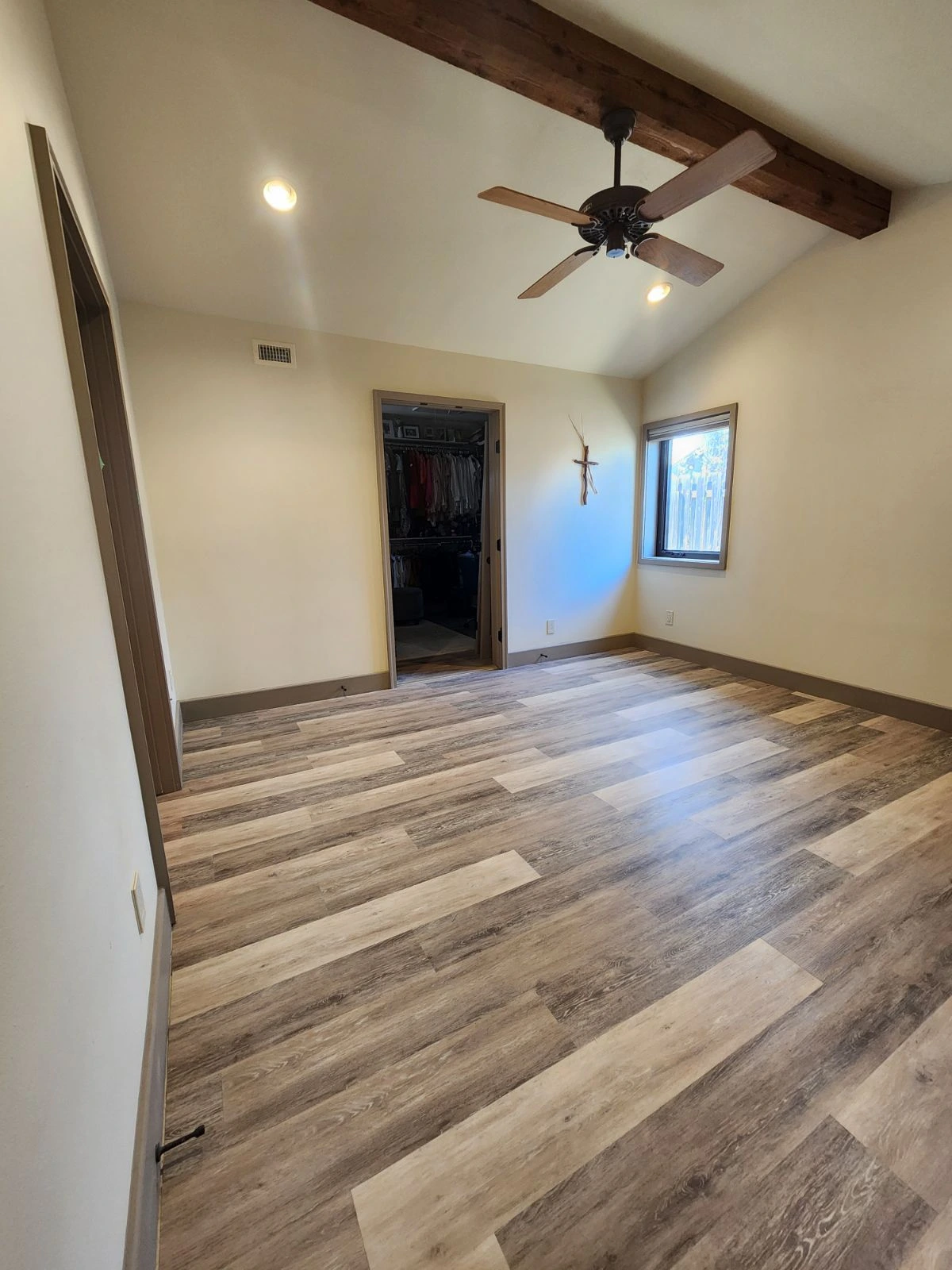
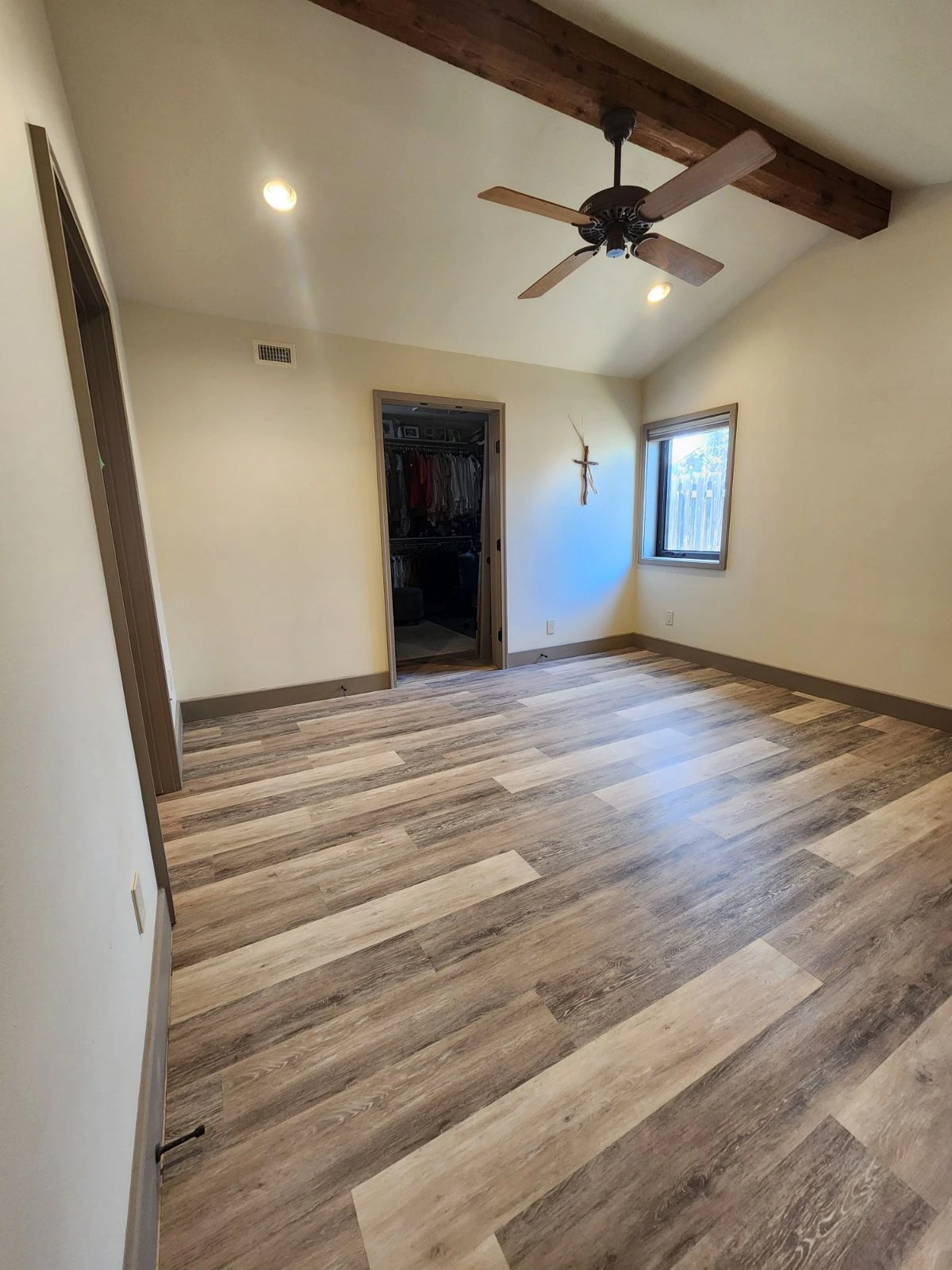
Most commercial vinyl plank flooring fails within three years because contractors choose the wrong brand for their specific application. After installing thousands of square feet of commercial flooring across Austin, I’ve seen beautiful installations turn into costly disasters simply because someone picked a residential-grade product for a high-traffic business environment.
The best commercial grade vinyl plank flooring brands aren’t always the ones with the biggest marketing budgets. They’re the ones that consistently perform under real-world commercial conditions without breaking your budget or requiring constant maintenance calls.
In this guide, we’ll break down the best commercial grade LVP flooring brands for businesses in Austin, TX and Central Texas and why certain products consistently outperform others in Texas’s challenging climate conditions.
What to Look for in Commercial Vinyl Plank Flooring
Commercial vinyl plank flooring needs to handle completely different demands than residential products. We’re talking about foot traffic that’s often ten times heavier, spills that sit longer before cleanup, and temperature fluctuations that would destroy lesser materials.
The wear layer thickness matters more than anything else. Residential vinyl might have a 6-mil wear layer, but commercial applications need at least 20-mil, preferably 28-mil or higher. What most people don’t realize is that once that wear layer is gone, the entire floor is ruined.
Austin’s humidity swings also demand products with superior dimensional stability. We’ve seen too many beautiful installations buckle during our humid summers because contractors chose products without proper moisture barriers.
Best Commercial Vinyl Plank Flooring for High-Traffic Businesses
If you’re installing flooring in a retail store, office, restaurant, or warehouse, choosing the right commercial vinyl plank flooring is critical. High-traffic environments require thicker wear layers, durable cores, and products designed specifically for commercial use.
Best Commercial Vinyl Plank Flooring Brands
Evoke Flooring
Evoke is one of our go-to options, especially when customers are looking for high-quality commercial vinyl plank at a better price point. We often have Evoke products available as clearance deals, which means you can get a premium look and solid performance for significantly less than retail.
We’ve had good results with Evoke in both residential and commercial settings. The durability is there, the styles are modern, and it’s a great option when budget matters but you still want something that looks sharp and holds up.
How to Save Money with Clearance Commercial Flooring
One thing most business owners don’t realize is that some of the best commercial vinyl plank flooring deals come from discontinued or clearance products. Manufacturers regularly update colors, naming conventions, or product lines, which leaves perfectly good flooring available at significantly reduced prices.
We often have access to commercial-grade vinyl plank at clearance pricing, especially brands like Evoke that we keep an eye on. These aren’t defective materials, they’re just overstock, discontinued styles, or end-of-run products.
If you’re flexible on color and timing, you can sometimes get a higher-end commercial floor for the same price as a lower-tier product. For many of our Austin clients, this ends up being one of the best value decisions they make.
Fuzion Flooring
Fuzion makes a strong commercial vinyl plank product with a good balance of durability and design. Their wear layers and core construction hold up well in higher traffic environments, and the visuals tend to be more realistic than many lower-end brands.
We’ve used Fuzion in a variety of applications and found it to be a dependable mid-to-upper tier option, especially for offices and retail spaces where both appearance and performance matter.
Next Floor
Next Floor is another solid brand that offers reliable performance for commercial and multi-family applications. Their products are consistent, easy to work with during installation, and hold up well over time when installed properly.
This is a good option for projects where you need something durable and cost-effective without stepping down into lower-quality materials.
Lions Floor
Lions Floor has been gaining popularity for good reason. Their commercial vinyl plank lines offer strong wear layers, rigid cores, and competitive pricing, making them a great option for larger projects.
We’ve seen Lions perform well in high-traffic areas, and they’re often a smart choice when you want durability without paying top-tier pricing like some of the bigger commercial brands.
Mannington Commercial
Mannington consistently delivers reliable performance in Austin commercial projects. Their Adura Max line handles our climate extremes better than most competitors, and we rarely get callbacks on installations.
The 28-mil wear layer holds up to heavy cart traffic, and their locking system stays tight even when temperatures fluctuate. We use Mannington for restaurants, retail spaces, and office buildings where durability can’t be compromised.
Armstrong Flooring Commercial
Armstrong’s Luxe Plank Commercial series offers excellent value without sacrificing performance. Their rigid core construction handles subfloor imperfections well, which saves time and money during installation.
We’ve had great success with Armstrong in medical offices and educational facilities where antimicrobial properties matter. The surface treatments resist staining better than most alternatives, which keeps maintenance costs down long-term.
Tarkett Commercial
Tarkett specializes in heavy-duty applications where other brands fail. Their iD Essential Click line can handle forklift traffic and constant moisture exposure without showing wear patterns.
For Austin warehouses, manufacturing facilities, and high-traffic retail, Tarkett consistently outperforms expectations. The price point is higher, but the longevity justifies the investment for demanding applications.
What to Avoid
Never use residential-grade luxury vinyl plank in commercial applications, no matter how good the deal seems. We’ve replaced floors where contractors tried to save money with residential products that failed within months.
Avoid any product with wear layers under 20-mil for commercial use. The initial savings disappear quickly when you’re replacing floors every two years instead of every ten.
Stay away from brands that don’t provide commercial warranties. If the manufacturer won’t stand behind their product in commercial applications, that tells you everything you need to know about expected performance.
Common Mistakes Contractors Make
The biggest mistake we see is inadequate subfloor preparation. Commercial vinyl plank is forgiving, but it won’t hide major subfloor issues like residential carpet might. Every imperfection telegraphs through and creates premature wear patterns.
Another common error is ignoring expansion gaps around the perimeter. Austin’s temperature swings cause significant expansion and contraction. We’ve seen beautiful installations buckle because contractors skimped on expansion space to avoid trim work.
Many contractors also underestimate acclimation time. Commercial vinyl needs at least 48 hours to adjust to job site conditions, especially during Austin’s extreme weather months. Rushing this step leads to gapping and cupping issues later.
Pro Tips from Experience
Always order 10% extra material for commercial jobs, not the standard 5%. Commercial installations see more cuts around equipment, fixtures, and irregular spaces. Running short on a commercial project costs far more than residential overages.
Test your adhesive compatibility if you’re doing a glue-down installation. Some commercial vinyl planks react poorly with certain adhesives, especially in Austin’s heat. We always do small test sections before committing to full installations.
Plan your installation direction based on primary traffic flow, not just aesthetics. Running planks perpendicular to heavy traffic patterns reduces visible wear lines and extends floor life significantly.
Commercial vs Residential: Why It Matters
Commercial vinyl plank flooring uses different core materials, thicker wear layers, and stronger locking mechanisms than residential products. The manufacturing standards are completely different because the performance expectations are higher.
While residential vinyl might cost $3-5 per square foot, commercial-grade products typically run $5-8 per square foot. The price difference reflects the engineering required to handle commercial demands.
The good news is that we buy truck loads of heavy duty commercial grade vinyl plank flooring at clearance close-out prices and sell it for far below retail.
Installation requirements also differ significantly. Commercial applications often require moisture barriers, specific subfloor preparations, and different expansion allowances than residential jobs.
Frequently Asked Questions
How long does commercial vinyl plank flooring last?
Quality commercial vinyl plank should last 15-20 years in typical commercial applications when properly installed and maintained. High-traffic areas might see 10-15 years depending on usage patterns.
Can commercial vinyl plank be installed over existing floors?
Sometimes, but it depends on the existing floor condition and type. Concrete, properly adhered VCT, and some ceramic tiles work as substrates. Never install over carpet, loose tiles, or damaged subfloors.
What maintenance does commercial vinyl plank require?
Regular sweeping, damp mopping with pH-neutral cleaners, and periodic deep cleaning. Avoid harsh chemicals, excessive water, and abrasive cleaning tools that can damage the wear layer.
For proper care after installation, check out our guide on
How does Austin’s climate affect commercial vinyl plank?
Our humidity swings and temperature extremes require products with superior dimensional stability. Proper acclimation and expansion gaps become even more critical in Texas commercial applications.</p>
Is commercial vinyl plank slip-resistant?
Most commercial vinyl planks offer good slip resistance, but specific ratings vary by product. For areas with moisture exposure, look for products with enhanced texture or slip-resistant coatings.</p>
Get a Free Estimate
Choosing the right commercial vinyl plank flooring brand can make the difference between a floor that lasts decades and one that needs replacement in just a few years. At Habitat Heroes Floors & Painting, we’ve installed every major commercial vinyl brand and know which products perform best in Austin’s unique conditions.
Whether you’re planning a new commercial build-out or replacing existing flooring, we’ll help you select the right product for your specific application and budget. Our team provides detailed estimates that include material recommendations, installation timelines, and long-term maintenance guidance.
If you’re still comparing options, you may also want to read our guide on
Is Commercial Vinyl Plank Flooring Right for Your Project?
Commercial vinyl plank flooring is an excellent choice for businesses that need durability, water resistance, and a clean, professional look. However, choosing the wrong product or installation method can lead to costly repairs.
If you’re not sure which brand or type is right for your space, it’s worth getting expert advice before making a decision.
We can also check current clearance inventory and let you know if there are any deals that match your project.
Contact Habitat Heroes today for a free commercial flooring estimate. We’ll assess your space, discuss your performance requirements, and recommend the best commercial vinyl plank solution for your Austin business.
Get a Free Estimate
Not sure which flooring option is right for your project? We’ll help you compare products, check availability, and give you honest recommendations based on your space and budget.
Most commercial vinyl plank flooring fails within three years because contractors choose the wrong brand for their specific application. After installing thousands of square feet of commercial flooring across Austin,…
Safe and Effective Cleaning Methods for Hardwood and Vinyl Flooring Choosing the best cleaner for hardwood floors or vinyl plank cleaner can make a huge difference in how your floors…
So you want to learn how to install vinyl plank flooring? Yes you can learn how to install vinyl plank flooring but make sure you do plenty of research, and…
Can Engineered Hardwood Floors Be Refinished? What Austin, TX Homeowners Need to Know Are your engineered hardwood floors looking worn, but you don’t want to have to replace them? Engineered…
How to Choose The Best Flooring: A Guide to Your Options So you’re looking at new flooring and feeling a little overwhelmed by all the choices out there, you’re not…
Embarking on home improvement projects can be daunting, especially when coordinating between multiple contractors. Choosing a company that offers both flooring and interior painting services can streamline this process, providing…
Key Points What to Do in Austin Texas: Vibrant Attractions Austin is a city that pulses with life, offering a rich tapestry of experiences and activities. Its unique restaurants, such…
To maintain the beauty and longevity of your floors, proper floor cleaning techniques are essential. At The Habitat Heroes Floors and Painting, serving Austin, TX, and surrounding areas, we offer…
Top Luxury Vinyl Plank Flooring Brands for Central Texas Homes When it comes to enhancing your home’s aesthetic appeal and durability, luxury vinyl plank flooring (LVP) stands out as a…
Hiring a professional house painting company ensures that the job is done right the first time, with attention to detail, precision, and effective communication. A reputable house painting company employs…
Choosing The Right Flooring is Very Important Choosing the best flooring is one of the most important decisions you’ll make when designing or renovating your home or business. The flooring…
Choosing the right flooring company in Austin Tx is a big decision; the goal is to end up with a long-lasting floor that is trouble-free. Choosing a reputable flooring company…